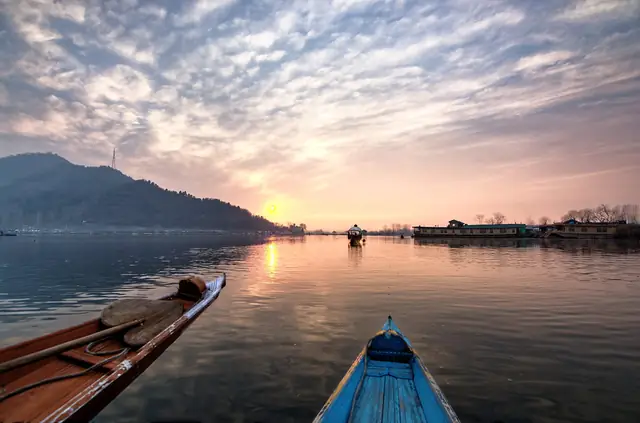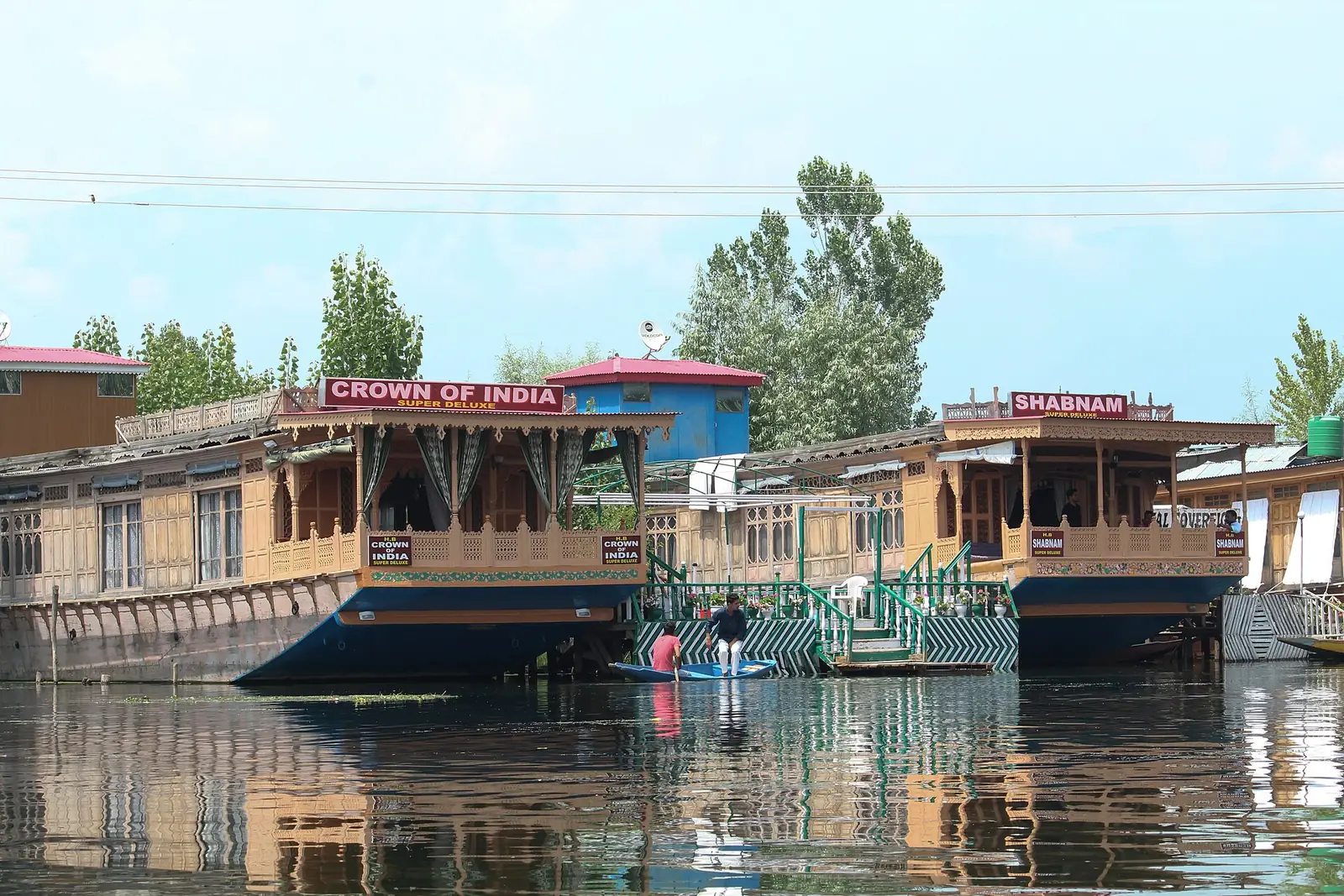
For many families, the houseboat night is the part of a Kashmir trip they remember longest. You wake up to water lapping against the hull, a shikara gliding past the window and the Zabarwan hills sitting quietly behind the lake. It is a lovely experience. A little planning keeps it that way.
What a Dal Lake houseboat actually is
Houseboats are long wooden boats moored permanently on Dal Lake and nearby Nigeen Lake in Srinagar. They do not sail. Most are built from deodar (cedar) wood, often with carved walnut panelling and ceilings, Kashmiri carpets and a front sitting deck. A typical boat has a sitting room, a dining room and two to four bedrooms with attached bathrooms. The family that owns it often lives on a smaller boat or in a house nearby and looks after the guests.
Houseboats are graded into categories by the tourism department, from simpler boats up to deluxe ones. The category tells you about the furnishings and facilities, but the care of the hosts matters just as much.
Dal Lake or Nigeen Lake?
- Dal Lake boats, especially those facing the Boulevard Road side, are close to shops, restaurants and the lake promenade. It is lively and easy to get around.
- Nigeen Lake lies a little to the north-west of Dal and is connected to it. It is generally quieter, with fewer passing boats. It suits couples or anyone who wants a calmer stay, though you will travel a little more to reach the city's markets.
Neither is "better". Choose based on whether you want activity close by or peace and quiet.
Getting to and from your houseboat
Most houseboats can only be reached by water. You will be dropped at a ghat (a numbered landing point) on the lakeside and taken across by shikara, usually arranged by the houseboat. A few practical points:
- Keep luggage light. Carrying big suitcases into a small shikara and up onto the boat is awkward. A soft bag for the houseboat night works well, with the main luggage left in the car or hotel.
- Note your ghat number and your houseboat's name, and save the host's phone number.
- If you want to go ashore in the evening, tell your host in advance so a shikara is ready to bring you back.
Comfort and facilities
Houseboats are charming, but they are old-style wooden homes on water, not hotels. Expect:
- Hot water from geysers, which may need a little time to warm up.
- Electric blankets or room heaters on many boats in the colder months. In winter, ask what heating is provided before you book.
- Wi-Fi on many boats, though it can be patchy. Mobile data usually works on the lake, but prepaid SIMs from outside J&K generally do not work there, so check with your network before you travel.
- Very slight movement and creaking sounds at night, which most guests get used to quickly.
Floors can be slippery near the deck and steps are narrow, so keep an eye on elderly family members and never leave small children alone on the deck. Take extra care when stepping between the boat and the shikara.
Meals on board
Many houseboat stays include breakfast and dinner, cooked by the host family. Food is usually simple home-style Kashmiri and North Indian dishes. If you have dietary needs (pure vegetarian, Jain, no onion-garlic, mild spice for children), mention them while booking and remind the host on arrival. Do try a cup of kahwa, the saffron and cardamom green tea, on the front deck in the evening.
Shikara rides: making the most of them
A shikara ride is a must while you are on the lake. Some tips:
- Early morning is magical. The floating vegetable market in the inner Dal starts around dawn and is over soon after sunrise, so it is worth the early alarm.
- Sunset rides are the most popular, with soft light over the hills and Char Chinar island.
- Shikara rates are set and revised by local authorities from time to time, and rides are usually priced by the hour or by route. Check the current rates and agree on the route and duration before you set off.
- With small children, ask the shikara owner for a life jacket if you would feel more comfortable, and keep children seated.
- Carry a light shawl even in summer. It gets cool on the water once the sun drops.
Vendors on the water
Small boats selling flowers, saffron, shawls, jewellery, papier-mâché and snacks will come alongside your houseboat and shikara. It is part of the lake's charm. Browse if you like, but you do not have to buy, and a friendly "no, thank you" is perfectly fine. For expensive items like saffron or pashmina, buy only when you are confident about the quality and price.
Simple etiquette
- Do not swim in the lake. It is deep and weedy in places. Do not throw anything into the water either. The lake is home to many families, so please help keep it clean.
- Respect the host family's privacy and meal times.
- Dress modestly when visiting the old city and religious sites.
- Keep valuables with you or locked away, as you would anywhere.
How many nights?
One or two nights on a houseboat is usually enough. It gives you the full experience: an evening shikara ride, a quiet night on the water and a dawn on the lake. The rest of the trip can be spent in hotels in Srinagar, Gulmarg, Sonamarg or Pahalgam. When planning day trips, keep in mind that local sightseeing in Gulmarg and Sonamarg (such as the Thajiwas Glacier area) and Pahalgam's Aru, Betaab Valley and Chandanwari is done by local union taxis or ponies rather than your own vehicle.
When to go
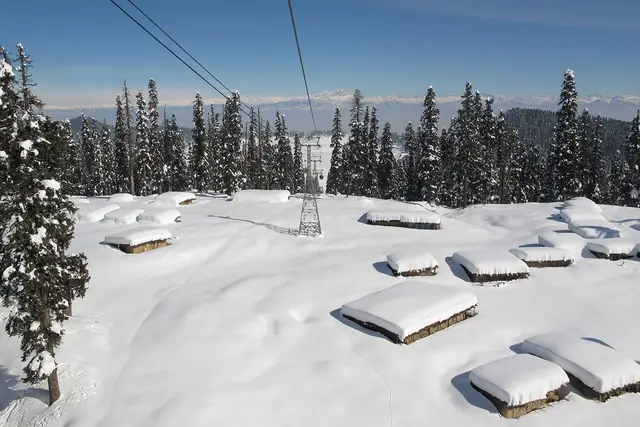
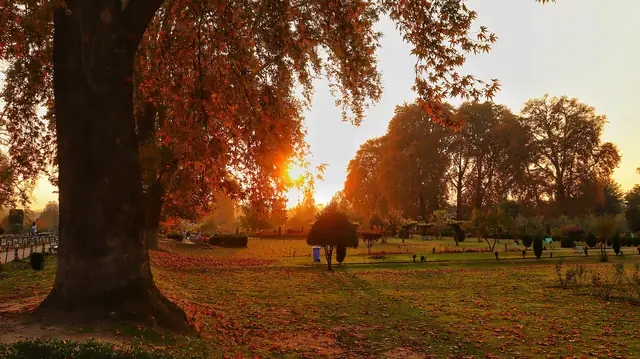
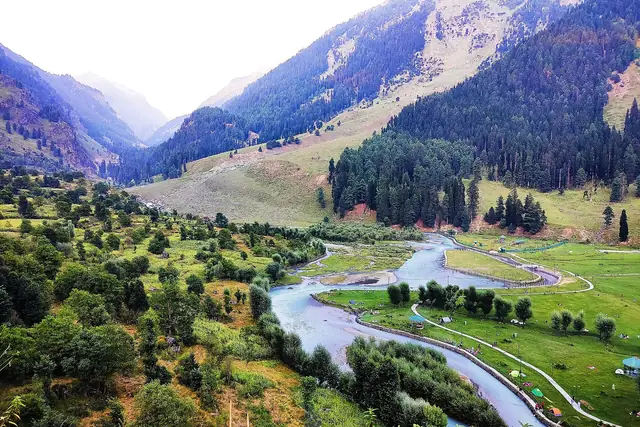
Houseboats are open for much of the year. Spring and summer are pleasant and green, autumn brings golden chinar leaves, and winter is cold but beautiful, with snow possible on some days. Snow can never be promised on a particular date, so plan your winter stay for the cold and the quiet rather than for guaranteed snowfall.
Want a houseboat night built into your Kashmir trip? WhatsApp Roaming Routes on +91 91038 87738 for a custom plan.