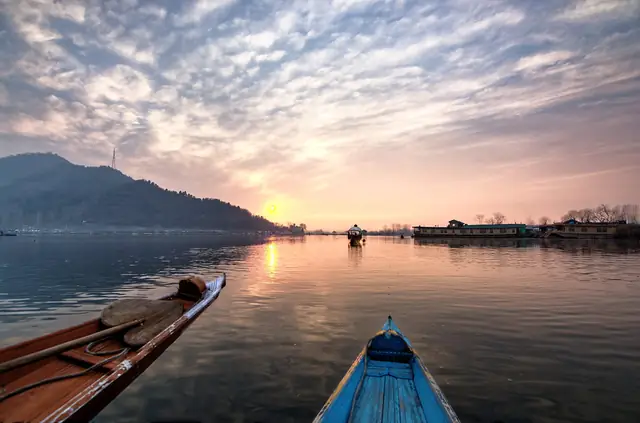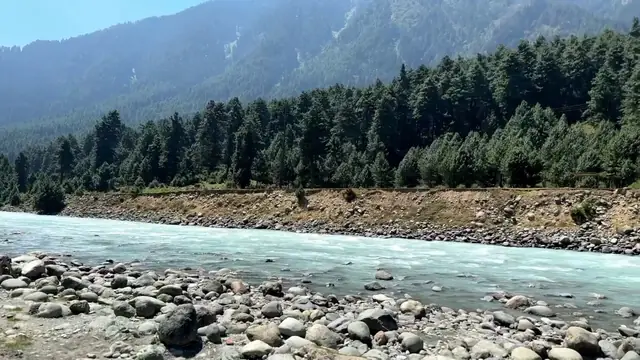
Packing for Kashmir is mostly about layers. The valley sits high, mornings and evenings are cooler than the afternoons, and places like Gulmarg, Sonamarg and the upper meadows around Pahalgam are colder than Srinagar on the same day. A trip in May can still bring a chilly evening by the Lidder river, and a sunny winter afternoon can turn freezing once the sun drops behind the mountains.
Here is a simple, season-by-season list from those of us who live here, so you pack enough without dragging a heavy suitcase around.
Essentials for any season
Whatever month you come, these belong in your bag:
- A government photo ID for every adult (you will be asked for it at hotels, airports and some ticket counters)
- Comfortable walking shoes with a good grip; many viewpoints mean walking on uneven or muddy paths
- A light jacket or fleece, even in summer
- Sunscreen, sunglasses and lip balm, because the sun is strong at altitude
- A small daypack for water, snacks and an extra layer on day trips
- A compact umbrella or rain jacket, as showers can come without much warning
- Personal medicines, with a little extra in case of travel delays
- A power bank, since you will take far more photos than you plan to
- Some cash, as cards and UPI work in towns but not every small stall or pony point accepts them
A practical note on phones: prepaid mobile connections from outside Jammu & Kashmir generally do not work here, while postpaid connections usually do. Rules can change, so check with your operator before you travel.
Spring (March to May)
Spring is when the valley wakes up. Almond blossoms come early, and tulips appear in Srinagar in spring, though the exact bloom time changes every year. Days get pleasantly mild, but nights stay cold, especially in March and early April. Higher places can still have snow on the ground.
Pack:
- Full-sleeve tops and a warm sweater or fleece
- A medium-weight jacket for evenings and for Gulmarg or Sonamarg
- Jeans or comfortable trousers
- Waterproof or water-resistant shoes, as melting snow makes paths wet
- A warm cap and light gloves for early spring
Summer (June to August)
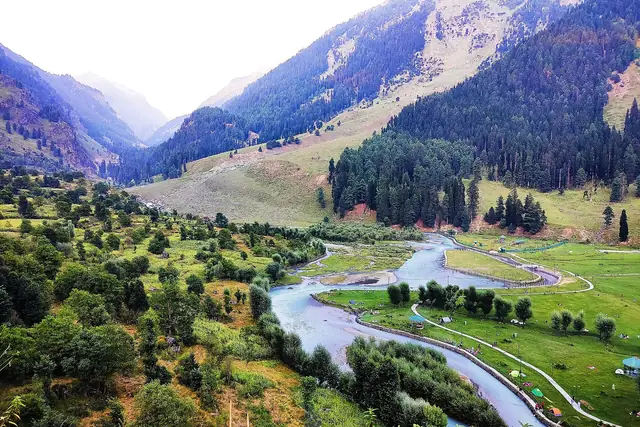
Summer is the busiest season for families. Srinagar afternoons can feel warm, but Pahalgam, Aru, Betaab Valley, Sonamarg and Gulmarg stay fresh, and evenings call for a layer. This is the green, meadow season and a good time for pony rides and gentle walks.
Pack:
- Cotton T-shirts and breathable clothes for the day
- One warm layer, such as a fleece or light jacket, for evenings and higher spots
- A rain jacket, as afternoon showers are common in the hills
- Sports shoes or light trekking shoes rather than sandals for meadows and pony trails
- A hat and good sunscreen; the sun is sharper than it feels
Autumn (September to November)
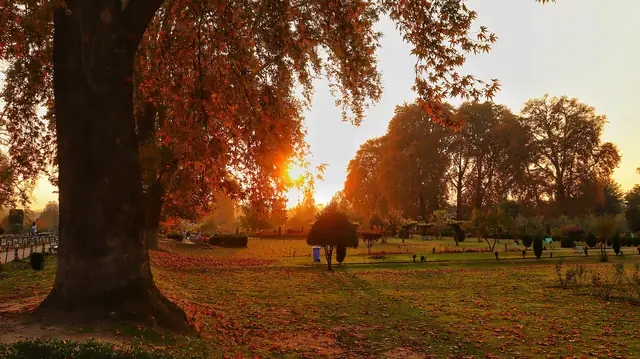
Autumn brings clear skies and the famous golden chinar leaves, usually from late October into November. It is a calm, beautiful time, but temperatures fall steadily as the weeks go by, and November nights can be properly cold.
Pack:
- Layers you can add and remove: thermal inner, full-sleeve top, sweater
- A warm jacket, heavier if you come in November
- Woollen socks, a cap and gloves for the later weeks
- Moisturiser, as the air turns dry
Winter (December to February)
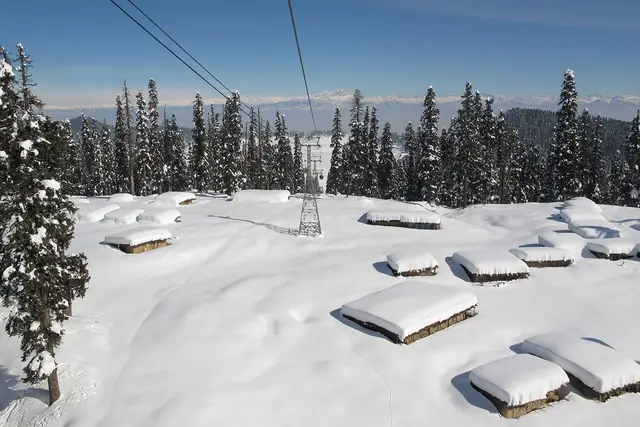
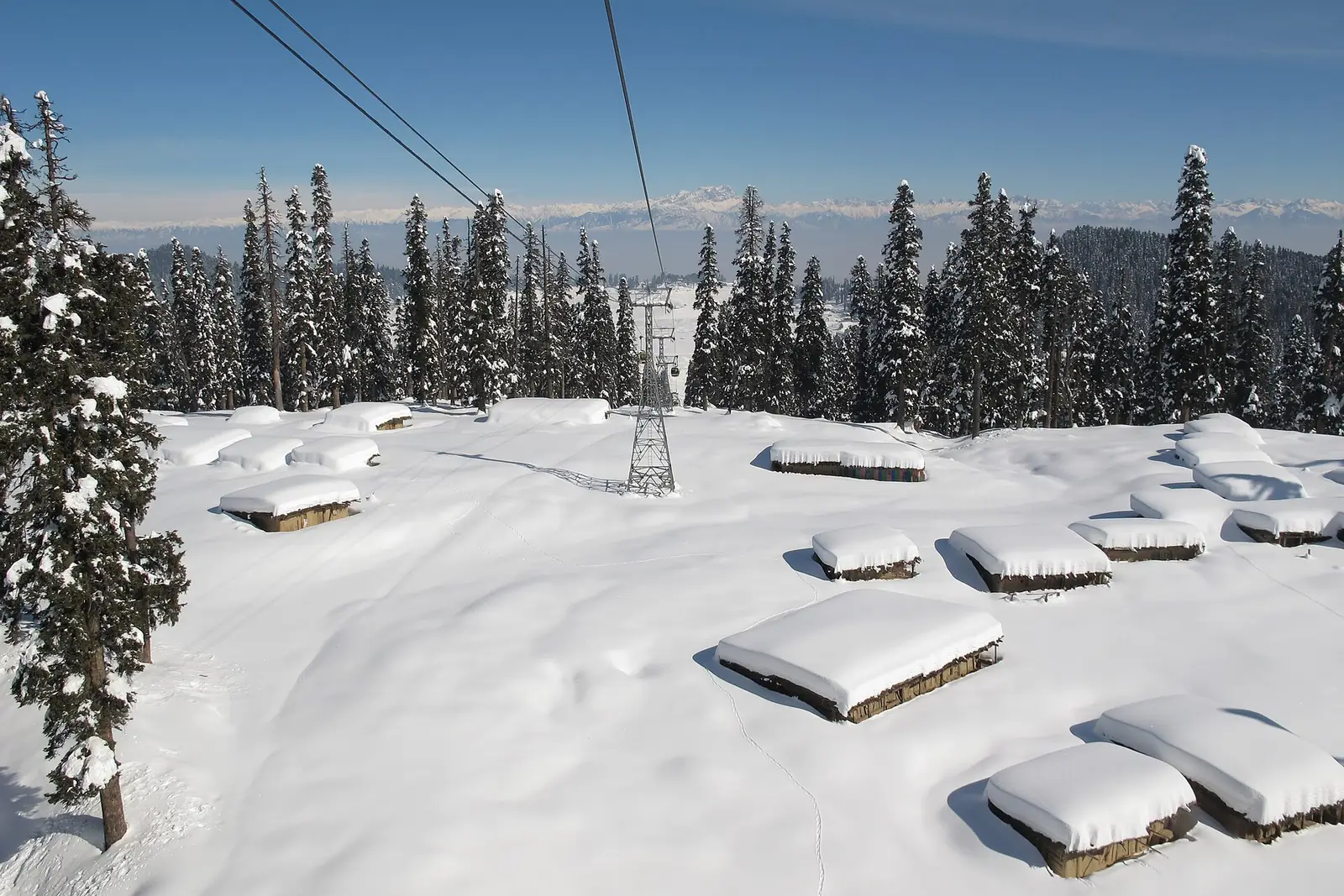
Winter is for snow lovers. Gulmarg, Pahalgam and Sonamarg often see snow in these months, though no one can promise snow on a particular date. Srinagar nights regularly fall below freezing, and roads to higher places can close for a while after heavy snowfall, so keep your plans a little flexible.
Pack:
- Thermal innerwear (top and bottom) for every day of the trip
- A heavy, padded or down jacket
- Woollen sweaters, a warm cap that covers the ears, gloves and a muffler
- Thick woollen socks, several pairs
- Waterproof boots with a good grip; regular sports shoes get soaked in snow
- Moisturiser and lip balm for the dry, cold air
Many visitors also buy a pheran, the long, loose woollen Kashmiri gown, once they arrive. It is warm, comfortable and makes a lovely keepsake.
Hire it locally instead of carrying it
Long snow coats and snow boots are usually available on hire on the way up to Gulmarg and in Sonamarg, and sometimes in Pahalgam. This saves luggage space, but check the size, condition and the current rate before you agree.
Keep in mind that several popular spots use local transport. In Pahalgam, Aru, Betaab Valley and Chandanwari are usually reached by local union taxis, and in Gulmarg and Sonamarg you may need to switch to local taxis or ponies for some sightseeing. Rates are set locally and can change, so check the current rates on the day. Carry your daypack and layers with you, because you may be away from your vehicle for a few hours.
A few local courtesy tips
- Pack a scarf or stole; it helps in the cold and for covering your head when visiting mosques and shrines
- Keep clothes modest when visiting religious places and old city areas
- Pack a reusable water bottle and bring your rubbish back down from the meadows
Pack light, layer smart
The simplest rule for Kashmir is this: pack for one season colder than you expect, and wear it in layers. You can always take a jacket off, but you cannot put on one you left at home.
Planning your trip? WhatsApp Roaming Routes on +91 91038 87738 for a custom Kashmir plan.